シュンダロード、リンチェンタウンサイエンスアンドテクノロジー工業団地、Xinghua市、江蘇省

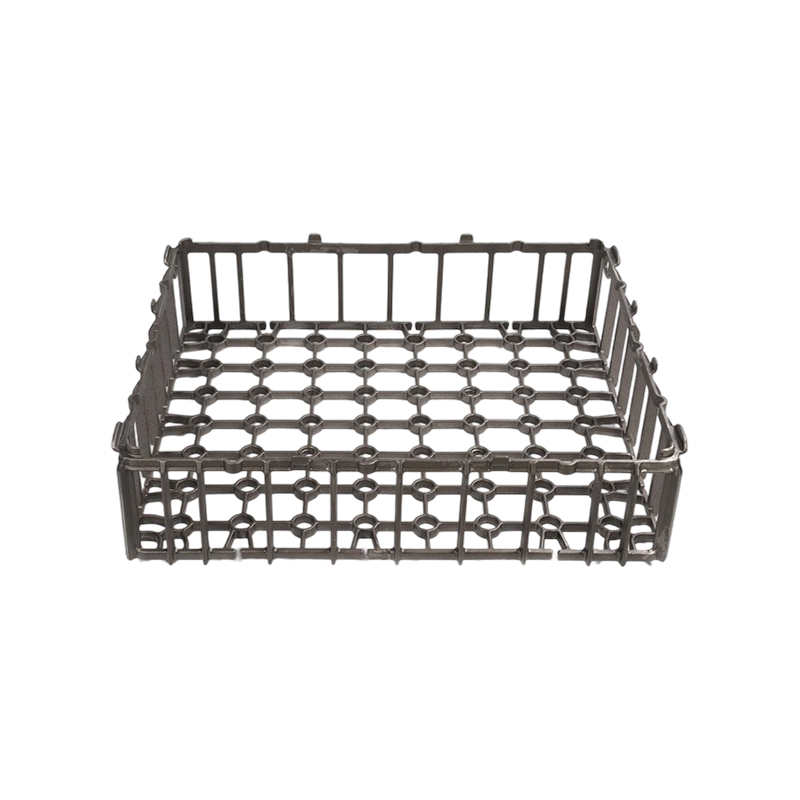
熱処理バスケット は、焼きなまし、浸炭、焼き入れなどの厳しい熱サイクルを通じて自動車部品を保持、保護、輸送するように設計された特殊な産業用コンテナです。自動車製造では、トランスミッション ギア、エンジン バルブ、アクスル シャフトなどの重要な部品が、均一な熱分布と遮るもののない急速な冷却を可能にすることで正確な冶金学的特性を確実に達成するために使用されます。 By providing a stable environment for parts under extreme temperatures, 熱処理バスケット directly influence the durability, safety, そして performance of the modern vehicle.
The Vital Importance of 熱処理バスケット in Precision Engineering
The automotive industry operates on the principle of extreme reliability. Every component within an internal combustion engine or an electric drivetrain must withstand thousands of hours of operation under high stress. To achieve this level of resilience, steel and aluminum parts must undergo heat treatment. However, the furnace is only half of the equation.の 熱処理バスケット これらの部品を運ぶために使用されるものも同様に重要です。
高品質なしでは 熱処理バスケット , parts would be subject to uneven heating, leading to soft spots or internal stresses that cause premature failure.これらのバスケットは、自動車の大量生産ラインにおいて、個々の部品の完全性を維持しながらスループットを最大化するように設計されています。これらは、焼入れ剤や浸炭ガスの流れを妨げるような方法で部品が接触するのを防ぎ、すべてのギアの歯と軸受表面が必要なロックウェル硬度スケールを確実に満たすようにします。
自動車ワークフロー内の主要なアプリケーション
1. 肌焼きと浸炭
For parts like camshafts and drive gears, the surface must be incredibly hard to resist wear, while the core remains ductile to absorb shocks. 熱処理バスケット 部品を垂直または特定の方向に保持することでこれを促進し、炭素豊富なガスが部品の周りを 360 度循環できるようにします。モダンなオープンメッシュデザイン 熱処理バスケット is engineered specifically to prevent "shading," where the basket frame blocks the gas from reaching the part.
2. 焼入れ工程
Perhaps the most violent stage of automotive manufacturing is the quench. Parts are moved from a 900°C furnace directly into a tank of oil, water, or polymer. 熱処理バスケット この「熱衝撃」に耐えられるように構築する必要があります。 If a basket warps during quenching, it can jam the automated conveyor system, leading to hours of downtime. Furthermore, the basket must allow the liquid to rush in instantly to cool the parts at a specific rate; otherwise, the steel will not transform into the desired martensite structure.
Material Selection for Automotive 熱処理バスケット
Automotive manufacturers cannot use standard steel for their 熱処理バスケット 。 The constant cycling between extreme heat and rapid cooling would cause ordinary steel to scale, flake, and eventually collapse.代わりに、先進的な合金が使用されています。
- 高ニッケル合金: Provides excellent resistance to carburization and oxidation at temperatures up to 1150°C.
- クロムモリブデン合金: で使用されます 熱処理バスケット that require high creep strength to prevent sagging under heavy loads.
- ステンレス鋼 330 または 310: The industry standard for baskets that require a balance of cost-efficiency and high-temperature durability.
Comparative Analysis: Design Variations in 熱処理バスケット
異なるものからの選択 熱処理バスケット designs depends on the weight of the automotive parts and the specific furnace type used (Batch vs. Continuous).
| バスケットタイプ | 自動車の使用例 | 主な利点 | 耐久性係数 |
| 製作された金網バスケット | 小さな留め具、ボルト、ピストンリング。 | 最大のエアフローと最速の冷却速度。 | 高 (熱衝撃に最適)。 |
| 鋳造合金バスケット | Heavy engine blocks and large transmission housings. | 非常に硬い。何千ポンドも耐えることができます。 | 中程度(時間の経過とともにひび割れが発生しやすい)。 |
| 段ボールバスケット | 自動車用汎用シャフト。 | 優れた強度対重量比。 | 高い(反りに強い)。 |
Engineering Challenges: クリープ and 熱疲労
24 時間 365 日の自動車生産の観点から、 熱処理バスケット 2 つの主要な敵に直面します。 クリープ and 熱疲労 .
クリープ is the tendency of a solid material to move slowly or deform permanently under the influence of mechanical stresses.なぜなら 熱処理バスケット carry heavy automotive gears at temperatures where metal becomes "plastic," the baskets can sag. Engineers combat this by using reinforced floor grids and strategically placed support ribs.
熱疲労 occurs because the basket expands when heated and contracts when quenched.この繰り返しの動作により、溶接接合部にストレスがかかります。ハイエンド 熱処理バスケット utilize "floating" designs where the mesh is not rigidly welded to the frame, allowing for natural expansion without cracking the structure.
The Shift Toward Electric Vehicles (EVs) and Lightweight Baskets
As the automotive world pivots toward Electric Vehicles, the requirements for 熱処理バスケット 変化しています。 EV components, such as high-speed motor shafts and thin-walled battery housings, require even tighter tolerances.
Furthermore, there is a massive push for energy efficiency.重い 熱処理バスケット acts as a "heat sink"—it absorbs energy that should be going into the parts.軽量かつ高強度な設計により、 熱処理バスケット 、メーカーは炉内の「自重」を最大 30% 削減でき、生産される部品あたりの電力またはガスの消費量を大幅に削減できます。 This is a crucial step in achieving carbon-neutral manufacturing goals by 2026 and beyond.
メンテナンスと寿命の最適化
ROIを最大化するには 熱処理バスケット , automotive plants follow strict maintenance protocols:
- 定期的な矯正: Hydraulic presses are used to correct minor warping before it becomes a failure point.
- 大気監視: Ensuring the furnace atmosphere doesn't become overly corrosive, which would eat away at the 熱処理バスケット .
- 負荷分散: Training operators to distribute weight evenly to prevent localized stress on the basket floor.
よくある質問 (FAQ)
Q: Why can't I just use a solid box instead of a basket?
A: A solid box prevents the quenching oil or furnace gas from reaching the parts quickly and evenly. 熱処理バスケット are designed with porosity to ensure the center of the load is treated exactly like the perimeter.
Q: How does the weight of the basket affect the final automotive part cost?
A: A heavier basket requires more fuel to heat up. In large-scale automotive production, switching to a lighter 熱処理バスケット can save tens of thousands of dollars in annual energy costs.
Q: What is the typical lifespan of 熱処理バスケット in a 24/7 factory?
A: 合金と温度に応じて、バスケットは通常、金属疲労により完全な交換が必要になるまで 18 ~ 36 か月持続します。
Q: Can these baskets be used for aluminum automotive parts?
A: はい、ただし要件が異なります。 Aluminum is treated at lower temperatures, so the 熱処理バスケット can be made from different alloys that prioritize surface smoothness to prevent marking the softer aluminum parts.
結論
From the smallest screw to the most complex transmission system, 熱処理バスケット play a foundational role in the automotive manufacturing ecosystem. They are not merely containers but precision-engineered tools that determine the metallurgical success of a component. As the industry moves toward more complex EV architectures and more stringent sustainability standards, the evolution of 熱処理バスケット 先進的な合金、軽量設計、最大の熱効率に焦点を当てた技術は、今後も自動車技術革新の主な推進力となるでしょう。高品質への投資 熱処理バスケット is, quite literally, an investment in the structural integrity of the vehicles on our roads today.